


Localizing AI Ethics in Diverse Cultures
As artificial intelligence becomes part of our daily life, Localizing AI Ethics becomes necessary to ensure that societies beyond the West include their cultural values. This conversation on ethical guidelines mostly highlights how Western countries shape ideas about accessibility, security, transparency, and accountability in using these tools.
Western countries have always been the ones setting the rules for how AI should be used. However, the focus should expand beyond them, since local communities in other regions also use AI.
This calls for the need to localize AI models to suit the values and realities of such regions. Localizing AI Ethics enables the development of AI tools that focus on local cultural and social aspects of life, which are often overlooked.
The use of AI varies across societies, since what benefits one community might not hold the same value in another—a difference that shapes how people view the technology. For instance, some society might value the benefits, and while others fear it for privacy invasion and security of data.
Allowing a wider range of voices in Localizing AI Ethics can help identify what matters most to local communities and reduce the digital divide.
This article would focus on issues associated with Western based AI Ethics, challenges, role in culture and religion and pathways toward inclusion in AI Ethics.
Table of Contents
- Why Western-Centered AI Ethics Fall Short
- Understanding Moral Frameworks in Non-Western Cultures
- The Role of Culture, Religion, and Tradition
- Building Inclusive Policies Through Localizing AI Ethics
Why Western-Centered AI Ethics Fall Short
The ethical guidelines associated with AI are policies which often depict western cultures. Therefore this unfairness in ethical guidelines system leads to cultural bias in local regions.
To begin with the Western ethical guidelines follows a one-size-fits-all approach. Assuming that the benefits of AI go beyond spiritual duties and privacy concerns, Localizing AI Ethics can make such technologies more acceptable in those settings.
Some society makes decision not by their self, but by society leaders. what’s termed as consent in some places might be violations in some regions, which escapes suggestions on ethical guidelines.
There are also settings that relies on community leaders or Obas to make decision and pass judgement as their law of protection and decision making. Whereby western models relies on laws to protect people without the need for consent from what’s termed as community leaders or family decisions.
Western based ethics focus mainly on personal and legal views that portrays what a person can do and cannot do. Meanwhile non Western regions sees ones action as an impact to ones family and society. Hence creating unrest in adoption in these countries as the ethics are of western cultures, which makes it hard to out to use in communities that the ethics goes against.
Therefore the global world can’t make use of an ethics that’s fundamental of a single regions if it’s to pass the usage across various regions.
Understanding Moral Frameworks in Non-Western Cultures
Many non-Western societies tie morality to community and spirituality rather than to individual living. These values help maintain harmony within the community and reflect cultural beliefs about what is right or wrong. Rather than focusing only on individual or personal freedom/choice. These cultures focus on collective wellbeing, moral harmony, and respect for social relationships.
African societies follows the idea of Ubuntu which ties us back to oneness in mutual care and community harmony. Ubuntu philosophy of “I am because we are” shows that societal harmony and togetherness is crucial in these culture.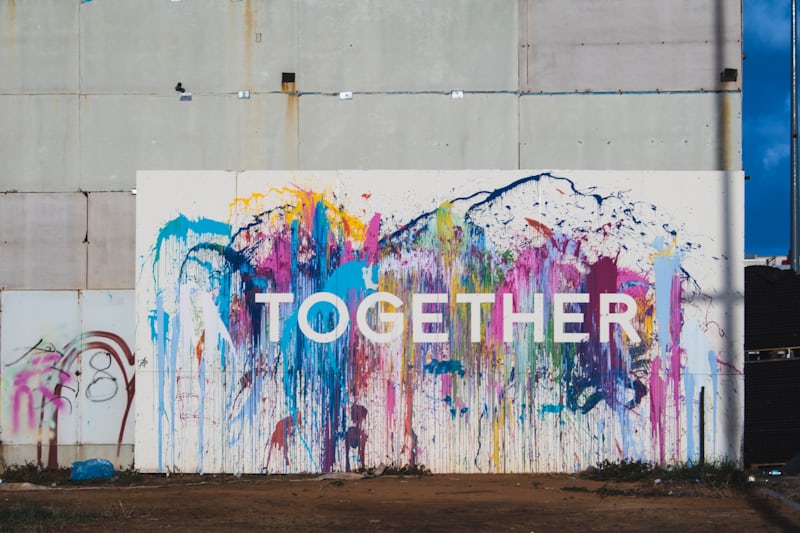
In the Islamic world, Localizing AI Ethics connects to moral codes from the Holy Qur’an, which emphasize fairness, love, and justice.
Localizing AI Ethics in East Asian societies reflects Confucian ethics, which encourage respect for elders, promote societal harmony, and guide how AI can help reduce social divisions.
All these points out to the need for inclusion of global cultures in AI Ethics and guidelines. Instead of using a one-size-fits-all approach to artificial intelligence systems, developers should consider cultural differences and moral values.
Additionally, the only way for fair usage and for trust of community on this tool is to allow global ethics in Ethical guidelines rather than one focused solely on Western cultures.
The Role of Culture, Religion, and Tradition
Most non-Western societies base their ethics on faith-based teachings and cultural traditions.Tradition affects how clear and fair the system of AI is in community that values decision making by collective discussion. This type of community values ethical guidelines which would reflect the interest of groups rather than individual decision system. Communities in these regions welcome efforts to create ethical guidelines that involve non-Western cultures and values.
For instance, in religious societies, Localizing AI Ethics may involve aligning the moral values of AI with truthfulness, compassion, service to others, and open communication. Also, in other regions strong voices from spiritual and cultural leaders are of utmost importance in decision concerning digital innovations.
This is why Localizing AI Ethics is essential to ensure that the values align before an AI system is accepted in society. Even if the system is productive, it must remain fair and transparent in its policies.
The role of religion, Culture, and tradition plays an important role in how people understand morality and technology. These factors are determinant of whether AI is useful or harmful when it’s to be adopted for community implementation.
Building Inclusive Policies Through Localizing AI Ethics
Non-Western regions play a crucial role in AI, but their contributions remain underserved and rarely discussed. By doing so AI models would serve the purpose while following the communities morals and values.
However, a global AI system shouldn’t follow a one-size-fits-all approach. To make AI acceptable and adaptable to different societies, every country that uses it should take part in its development. There must be procedures to include other regions in the development and guidelines associated with the technology.
Furthermore, the best way to go about this is to create an ethical division that includes religious and cultural leaders, community and governments of these regions. They should all be included in the setting for transparency and trust in the system.
Additionally,these would help in creating a system that understands global cultures, religion, morals and values of the community.
Explaining to people in simple and easy to understand concepts would allow for community to be well aware of what’s going on. It would benefit and helps prevent potential moral risks when AI system aligns with community cultures and religious morals and values, people would trust and implement them in their system.
In the end, localizing AI ethics would ensure that these AI models are not based solely on Western data and cultures, but also includes global inclusion in ethical guidelines. Not only in AI systems but in other areas like stereotypes of skin color and tradition for the decrease in the global gaps. The future lies in AI systems that understands the human system and serve Without inequality.


